
Nicolaus Copernicus University in Toruń, Poland
Climate Change and History Research Initiative 2026 Annual Colloquium
Cultural-biological co-evolution and climate change in the Holocene
15-17 June 2026
Beyond influencing the conditions under which human societies prospered or failed to do so, climate change played a central role in human biological and cultural evolution. Even in the (from an evolutionary perspective) short time-frame of the Holocene (last 12,000 years), humans and the species with which they co-existed changed significantly, in particular with respect to the ecological niches they engineered or occupied. At the same time, human culture has been changing at an accelerating pace over the Holocene, spurring further transformations in human ecology and in human co-dependence with other organisms. At our workshop, we want to combine history, archaeology and the natural sciences to take a broad interdisciplinary look at this process of biological-cultural co-evolution. While we include questions that traditionally come up in discussions of the long-term perspective, such as plant and animal domestication or the formation of languages, we plan to focus in particular on more recent times (the last 3,000 years). We want to see if the dynamic co-existence of humans with other animals, plants, and microbes, under more modern political and economic conditions, led to different types of interactions, more rapid or more abrupt changes, and whether this combination of perspectives can bring us further in understanding the mechanisms underlying the current planetary crisis.
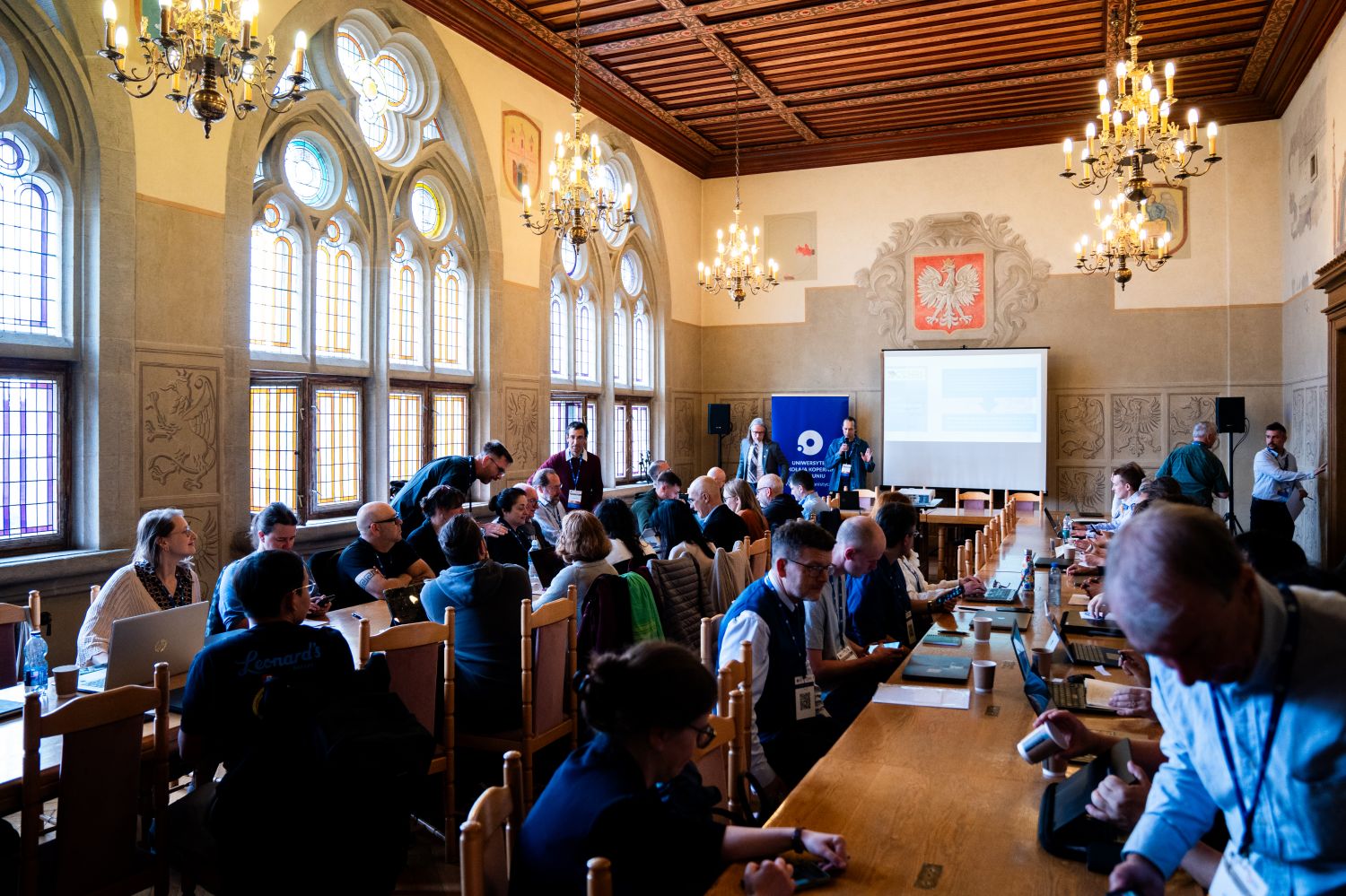
Location of the colloquium: Collegium Maius, Plenary Hall on the second floor
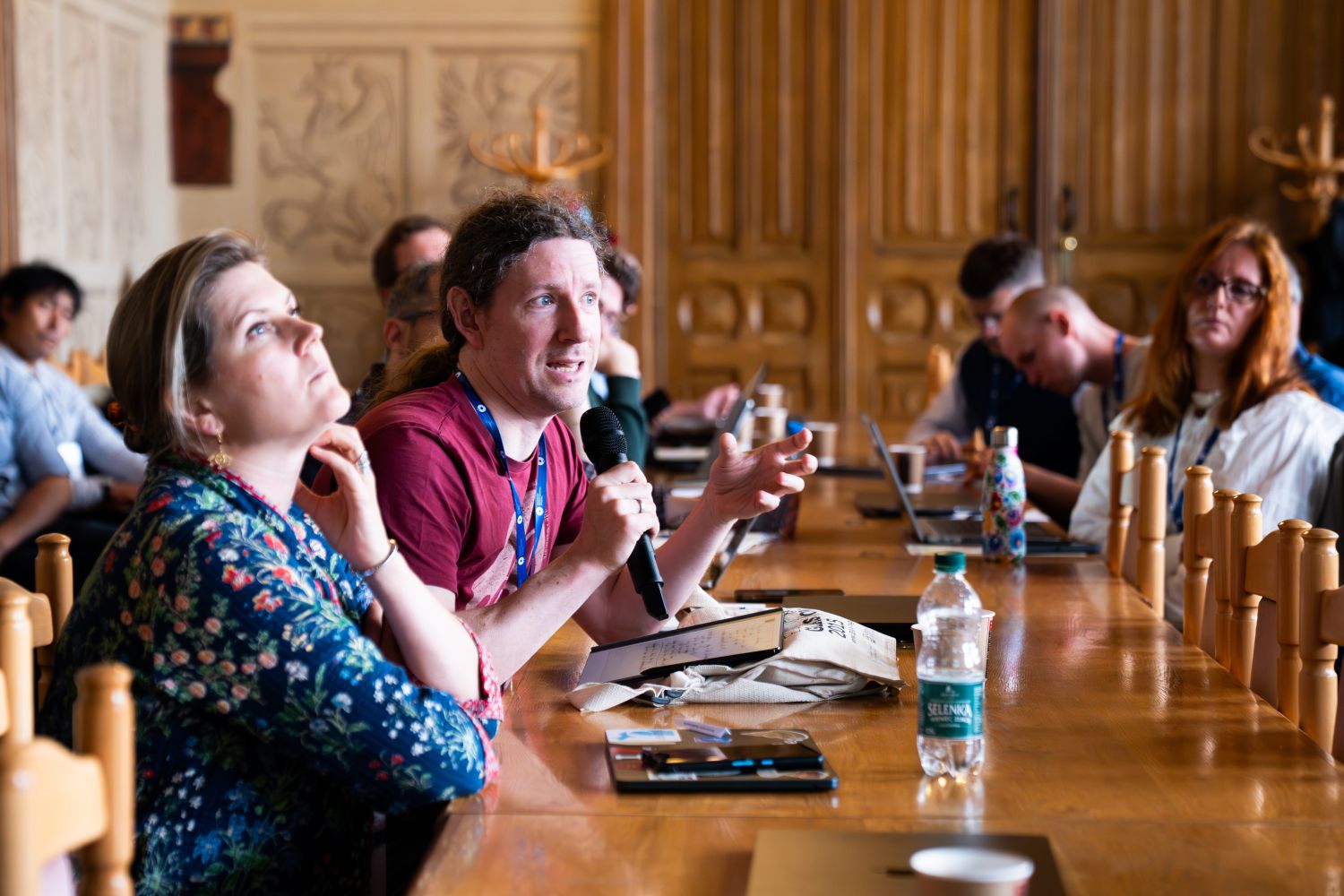
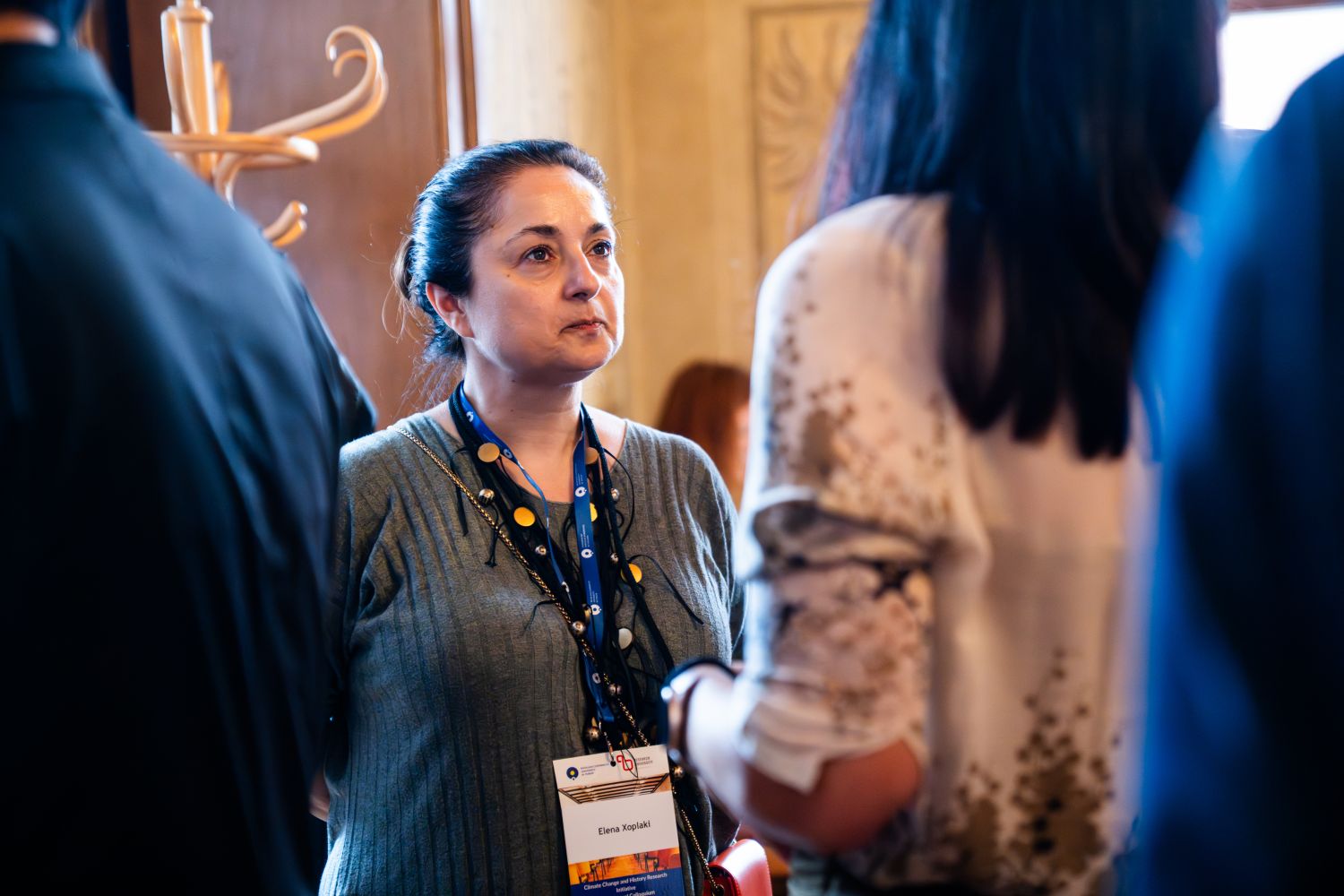
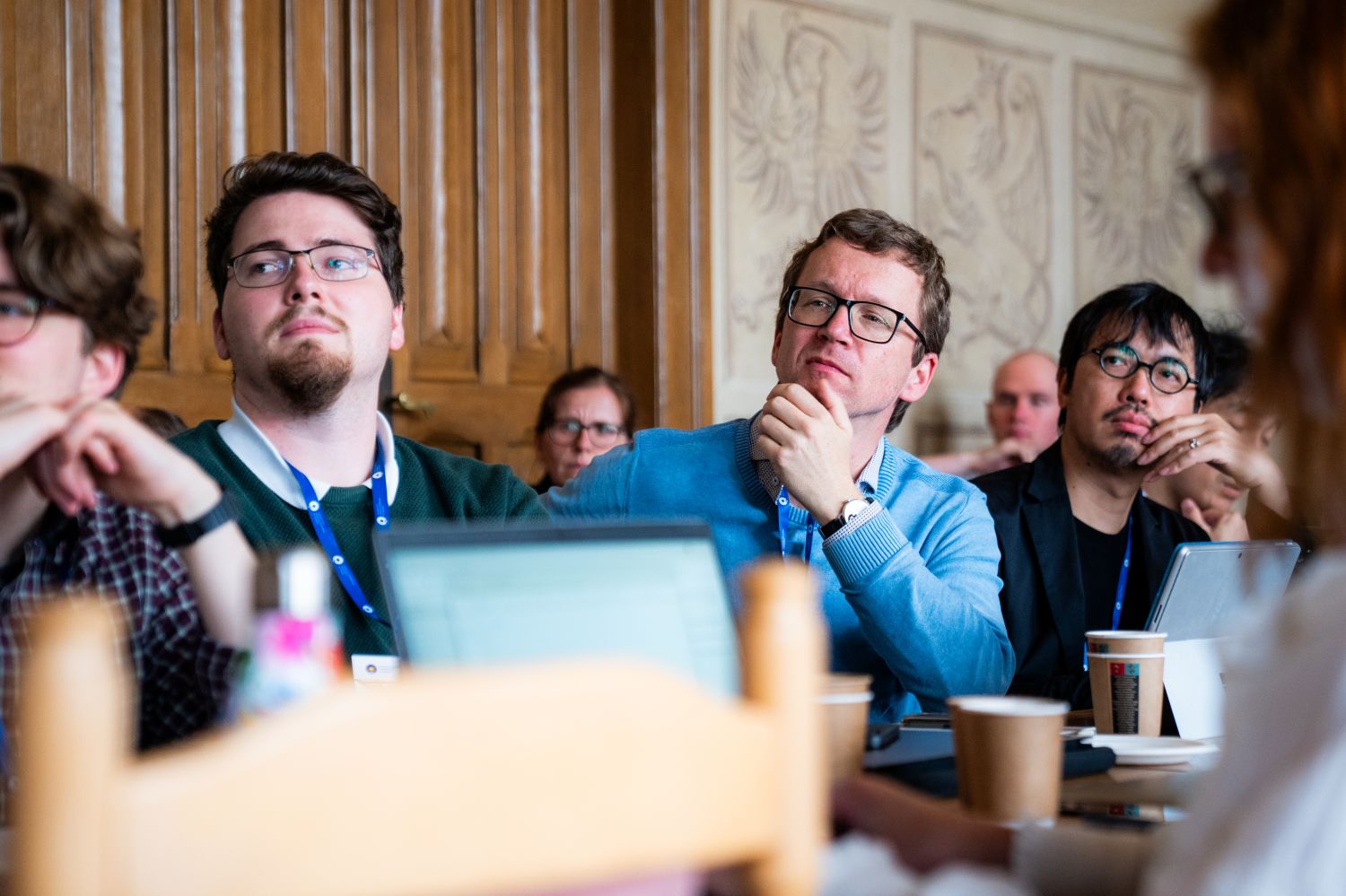
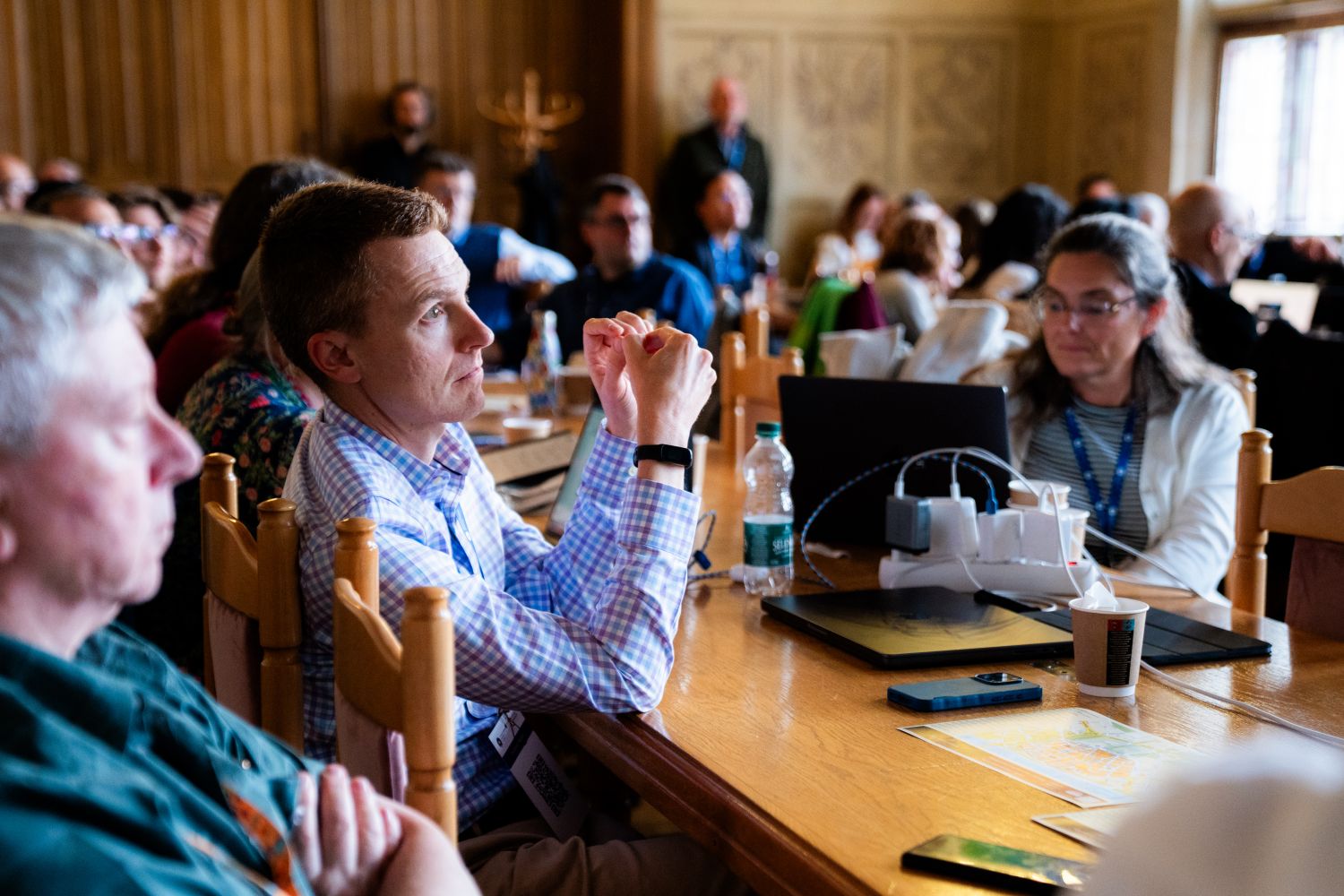
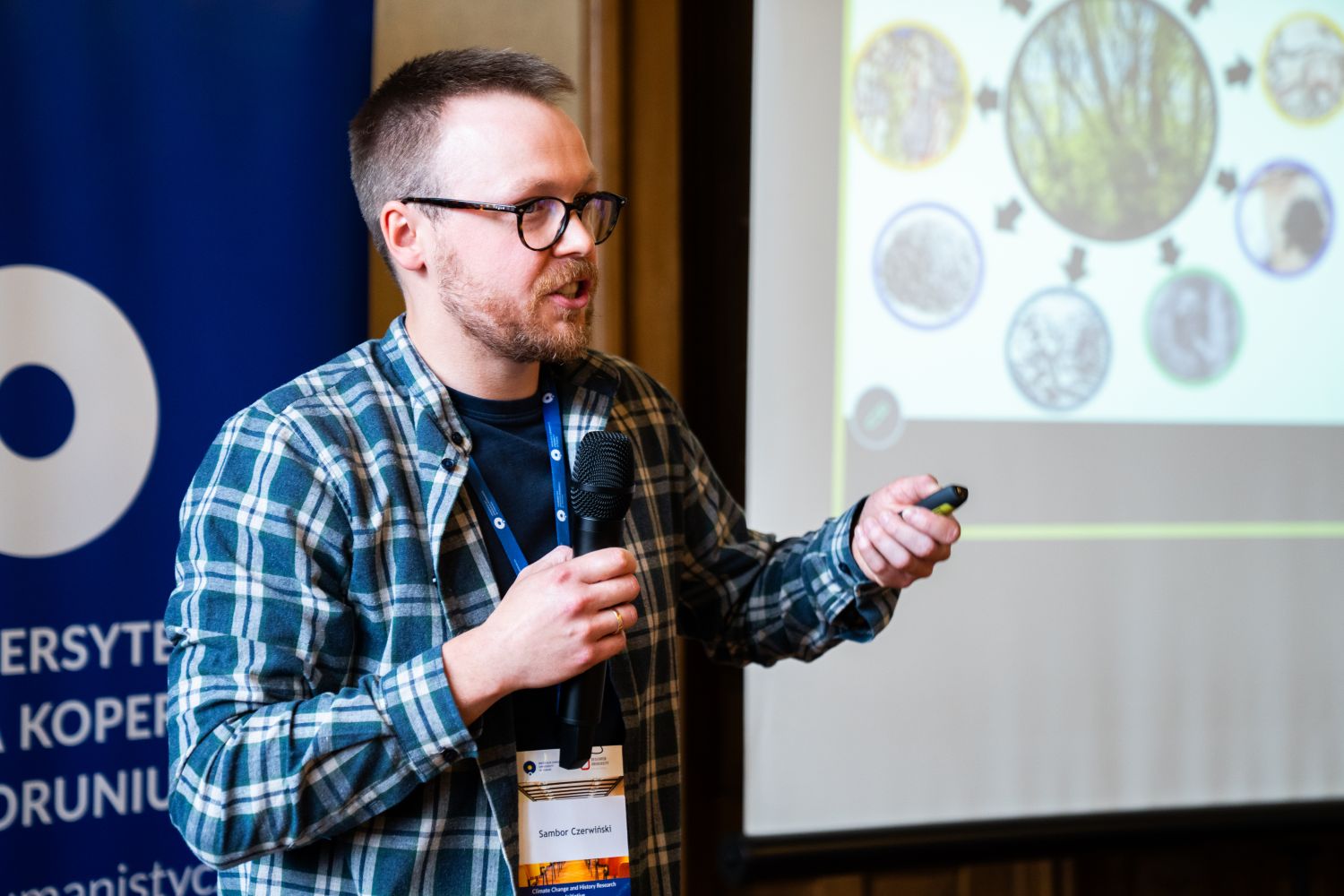
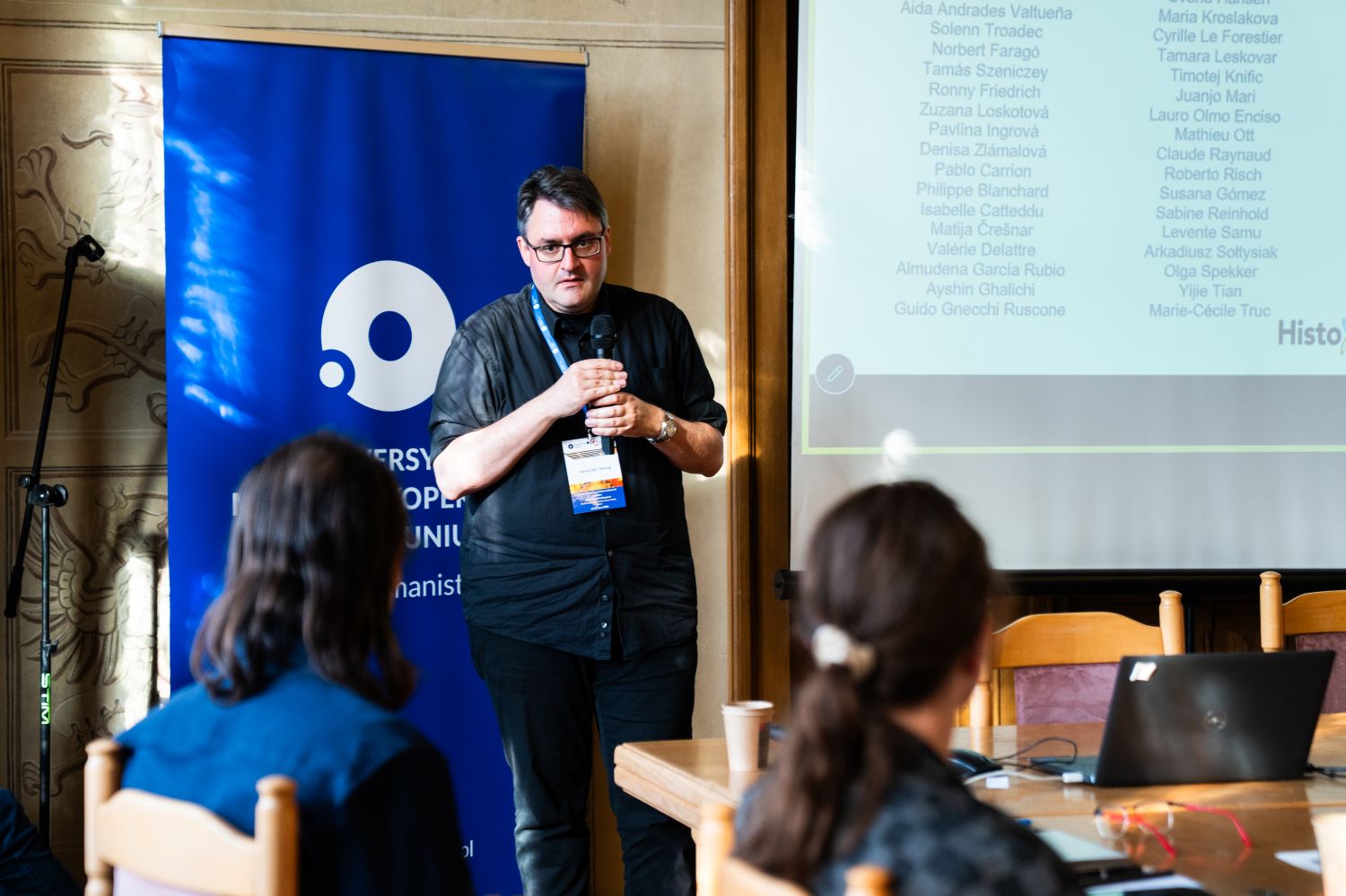
Chair: John Haldon, Princeton University
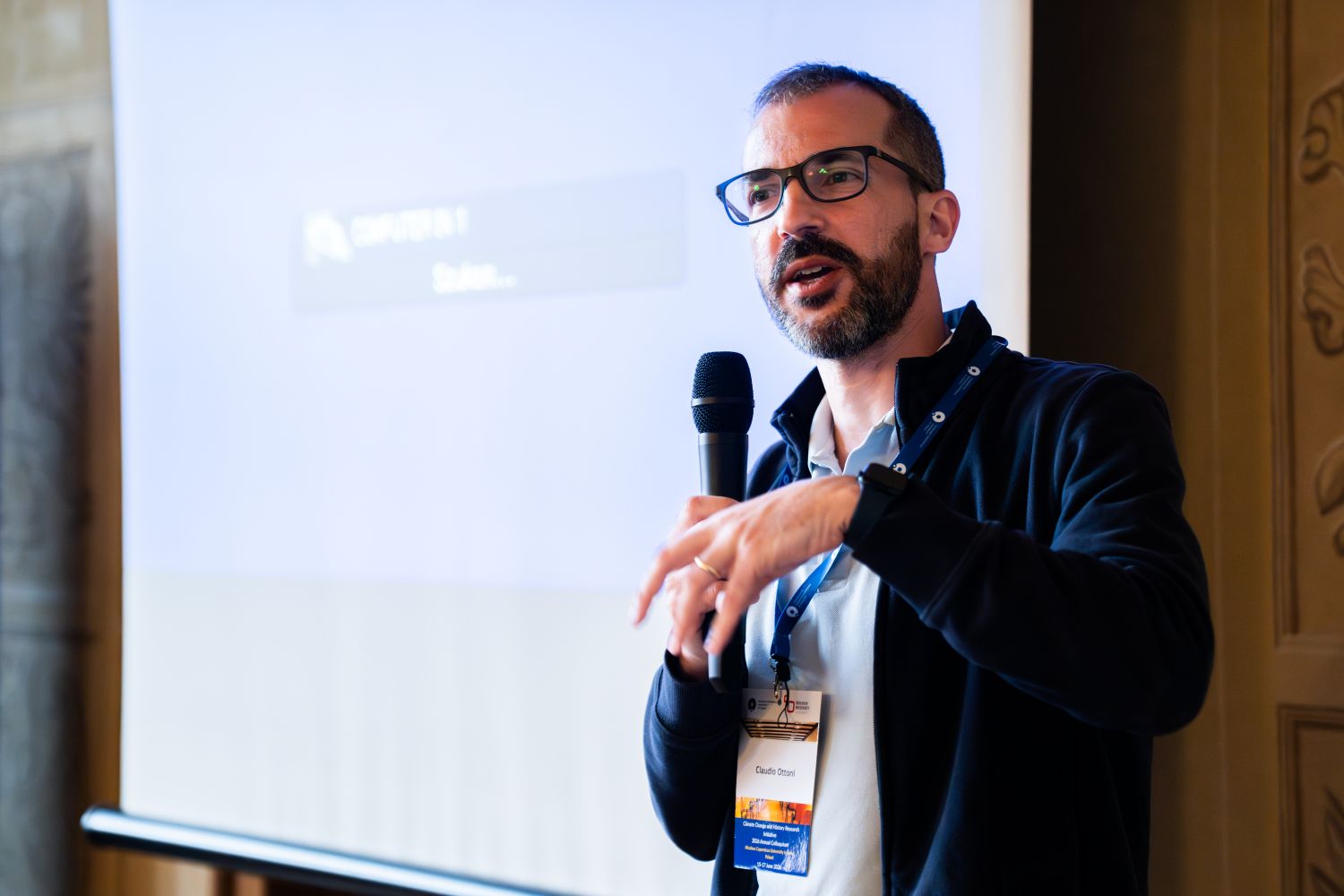
- Claudio Ottoni (University of Rome Tor Vergata) – Ancient DNA and the dispersal of domestic cats to Europe over the last 2,000 years
- Fotios Alexandros Karakostis, Magda Krajcarz (NCU Toruń) – A question of identity – the ecological and behavioral overlap of wildcats and domestic cats in the past
- David Orton (University of York) – Climate, economy, and disease: explaining the shifting fortunes of commensal rodents over 2000 years of European history
- Anna Wereszczuk (Mammal Research Institute, PAS) – Range expansion of the stone marten and its ecological interactions with the pine marten
Chair: Karolina Joka, NCU Toruń
- Meiirzhan Abdrakhmanov (Vilnius University), Jeremy Jacob (LSCE – Laboratoiredes Sciences du Climat et de l’Environnement, Gif-sur-Yvette), Giedrė Motuzaitė Matuzevičiūtė (Vilnius University) – Novel methodologies for correlating new crop dispersal with climate change
- Doug Kennett (UC Santa Barbara) – The rise and demise of Classic Maya cities: Climate, conflict, and economies of scale
- Rachel Pope (Liverpool) – Climate change in Atlantic western Europe (2000-500 BC): Social information from settlement architecture and subsistence strategies
- Wolf-Rüdiger Teegen (LMU Munich) – Climate change, military raids (probably due to to reduced harvests), and sacrifices between 300 BC and 500 AD in northern Central Europe and southern Scandinavia
Chair: Anna Maleszka, NCU Toruń
- Tim Newfield (Georgetown University) – Fleshing out smallpox’s premodern past: cultural-biological evolution of a pathogen
- Phil Slavin (Sterling University) – Plague, Bedouins, Nile Floods, Winds and Plague Again: The Ecology of Yersinia Pestis in Later Mamluk Egypt, 1347-1514
- Piotr Guzowski (University of Białystok) – Changes in crop structure during the LIA in the the Grand Duchy of Lithuania
- Michał Słowiński (Polish Academy of Sciences) – The hidden revolution: charcoal production and forest ecology in Central Europe during the Middle Ages
Chair: Marta Szada, NCU Toruń
- Sarah Defant MPI EVA Arkadiusz Sołtysiak (Uni Warsaw) Adam Izdebski (NCU Toruń) Sabina Fiołna (Berlin) – The “Fall of Rome” and the transformations of local lifeways from Italy to the Levant
- John Marston (Boston University) – Medieval crop introductions and adoptions in the medieval eastern Mediterranean
- Lee Mordechai (Hebrew University Jerusalem) – Environment and politics in the mid-sixth century
Chair: Marcin Wołoszyn, GWZO Leipzig / Rzeszów University
- Kyrylo Myzgin (University of Warsaw) – Shifts in Material Culture across Central and Eastern Europe, 300–700 CE
- Elena Xoplaki (CMCC Bologna), Eva Hartmann (JLU Giessen) – Simulated LALIA climate in Europe
- Sambor Czerwiński (University of Gdańsk), Petr Pokorny (University of South Bohemia) – Forest recovery between the Baltics and the Danube during the Migration Period and early medieval times
- Zuzana Hofmanova (MPI EVA) – Genetic shifts of the 6th c. CE
- Alexander Herbig / et al. (MPI EVA) – Ancient genomes suggest major impact and diverse responses to Justinianic Plague
Chair: Michael Pleyer, NCU Toruń
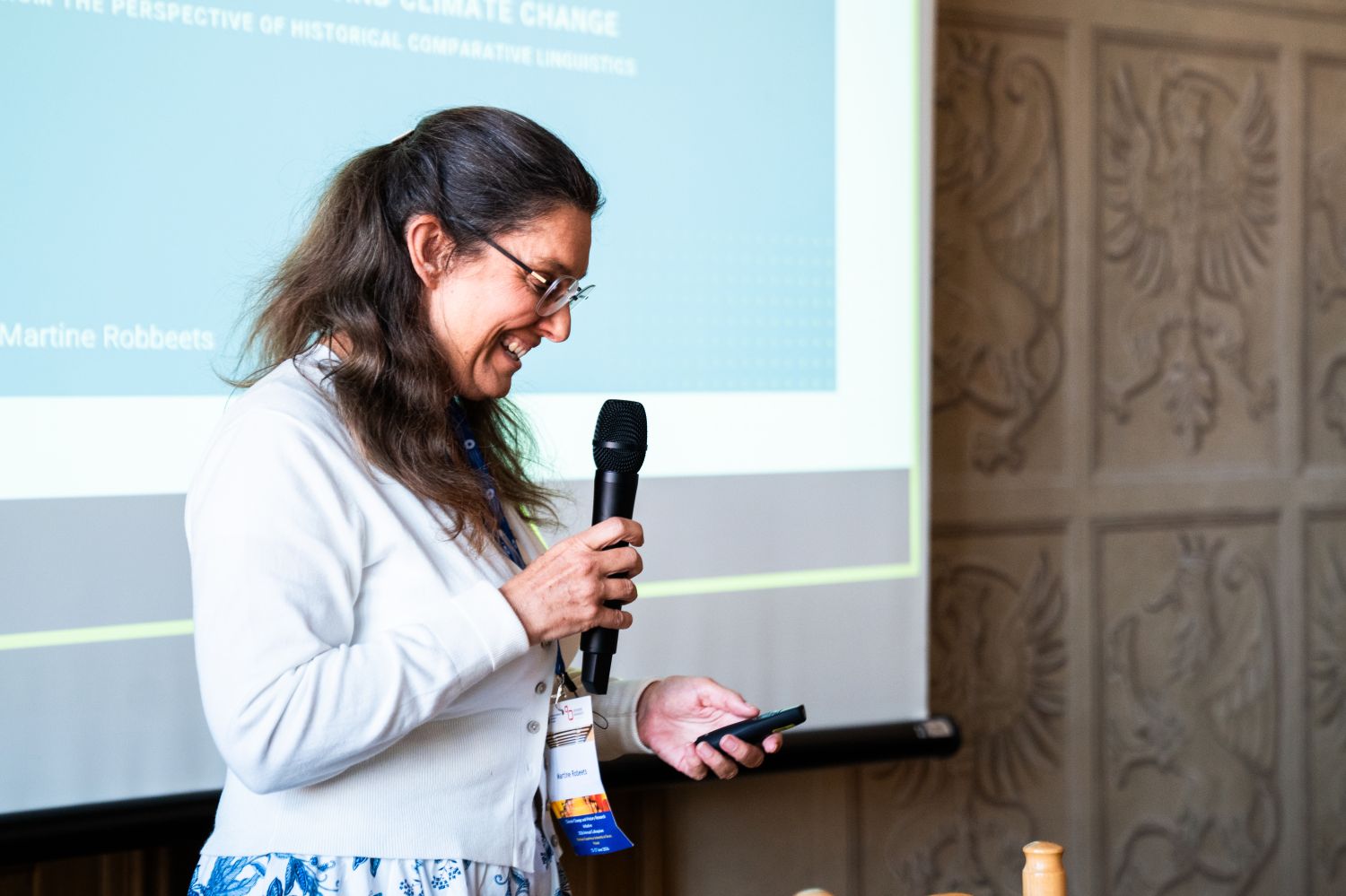
- Martine Robeets (MPI GEA Jena) – Language, Ecology and Climate Change from the perspective of Historical Comparative Linguistics
- Mark Huddson (MPI GEA Jena) and Claudia Zancan (CaFoscari Uni Venice) – The Kofun Cold Stage and Japanese Language Dispersals in Late Antiquity
- Outi Vesakoski Meeli Roose, Tua Nylen, Harri Tolvanen (Turku University) – Environmental drivers of language distribution ranges
- Rhiannon Stephens (Columbia University) – Wind, Rain, and History on the Swahili Coast, c.500-1900
Chair: tbc
- Andrew Dugmore and Rowan Jackson (University of Edinburgh) – Navigating the ‘uncanny valley’ of cultural adaptation to climate change
- Martin Bauch, GWZO Leipzig – The Mid-1250s Samalas Eruption as a Eurasian Event
- Georgios Liakopoulos (University of Ioannina ), Alessia Masi (La Sapienza University in Rome), Katerina Kouli (National and Kapodistrian University of Athens) and Adam Izdebski (NCU Toruń) – The intertwined dynamics of vegetation, economy and demographics in Ottoman Macedonia
Chair: tbc
- Yoichi Isahaya on Mongolia – The Chronology of Crises: Mongol Globalization in the Fourteenth Century
- Takeshi Nakatsuka, Nagoya – Influence of multidecadal climate variability to Japanese society in Kamakura period
- Ryoma Hayashi – Vegetation and cultural co-evolution and transformation during the Holocene around the western Japan
Funded by the IDUB program