Why did some societies succeed and survive for hundreds of years, while others became examples of decline? Why did the Polish-Lithuanian Commonwealth collapse after a period of crisis, never to emerge again, while the French state, also culturally and environmentally diverse, and also undergoing a deep crisis at the same time as the Polish Commonwealth, survived a period of turbulence and successfully underwent a process of modern consolidation in the 19th century?
The answer to this question is not easy, because the process of state decline is not a single crisis, but many simultaneous crises, developing at different rates and with different acuity. Our research project must therefore look at both factors
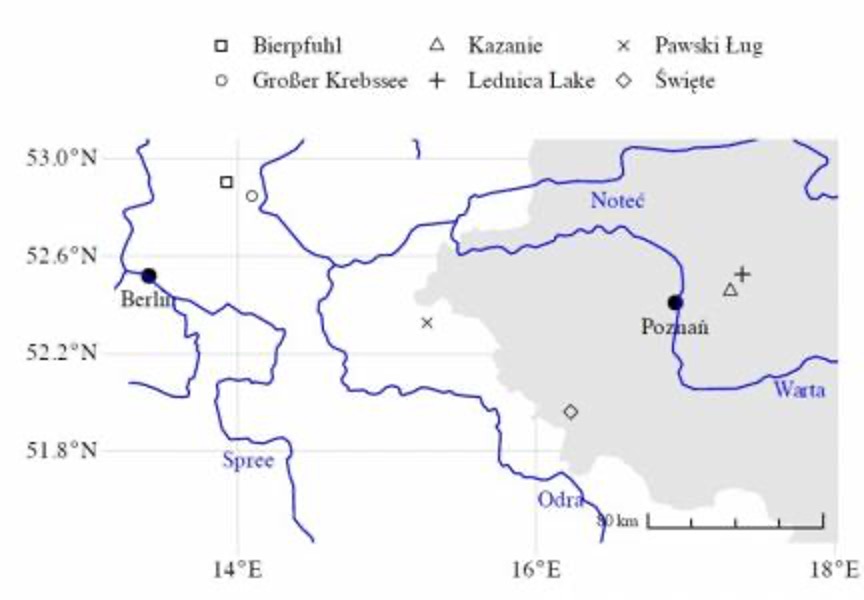
internal (institutions, cultural and material resources, political stability) and external to the state system – environmental (climate, epidemics) and international (wars, markets, etc.). This is why we approach the problem holistically: demographically, economically, climatologically and ecologically. We address changes in population, economic activity and human pressure on the landscape, taking Brandenburg and Greater Poland as examples in the period 1200-1800 CE. Comparing two different states, the Catholic Kingdom of Poland and Protestant Brandenburg, is crucial to understanding why in one the crisis ended in reconstruction and in the other in total disaster and conquest.
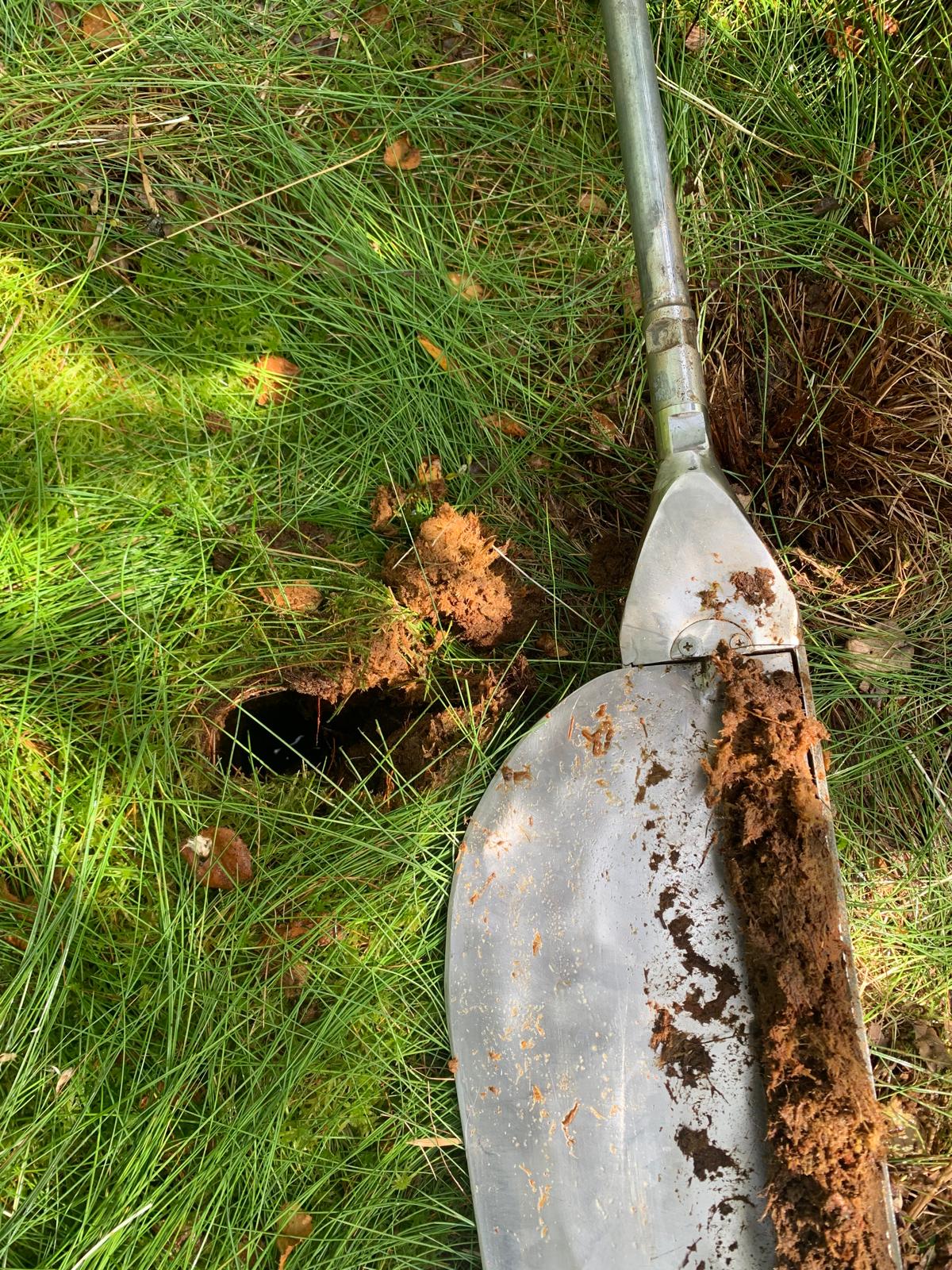
We are interested in situations where societies cease to function 'objectively’, based on what we as historians and naturalists can 'measure’, but also when they do not function efficiently in our own eyes, 'subjectively’. Moreover, we see the crisis as a dynamic process: consisting of both the mechanisms that cause it and those that sustain it and make it impossible to rebuild. In this way we go beyond the current state of historical research, which has so far concentrated on simple models of crisis understood as total collapse, almost never taking into account palaeoclimatic and palaeoecological data.
Polish-German cooperation is the basis for the success of our project. The Polish side brings deep expertise in economic and demographic history, while the German side provides unique experience in interdisciplinary work on climate and environmental history, as well as a modern social science perspective on environmental crises. The German team is based at Giessen and led by Professor Juerg Luterbacher.