We seek a junior or senior postdoctoral researcher with a strong background in data science and quantitative analysis to join a large, international interdisciplinary consortium and focus on investigating large, heterogeneous historical, archaeological, and environmental datasets in order to uncover complex relationships across cultural, social, climatic, and biological phenomena. In collaboration with an external commercial partner, and together with the PI and a team of historians and archaeologists, the postdoc will co-curate the project database, which also includes several cutting-edge AI applications.
The appointed researcher will be a member of the ERC Synergy Grant EUROpest and of the Human Ecology Group at the Institute of Advanced Studies of the Nicolaus Copernicus University in Toruń. The position includes a competitive international salary and is planned to last 5 years (until June 2031), with potential permanent employment afterwards, depending on the development of an independent research portfolio and the acquisition of external funding, including starting one’s own junior research group.
The primary focus of the position will be exploratory and inferential analysis of multimodal data, including relational, temporal, and spatial structures, with particular attention to patterns of interaction and co-evolution. Insights gained from this data-driven analysis will subsequently inform the development of formal and computational models of social-ecological and epidemiological dynamics in the past, with potential extensions to contemporary epidemics.
The project draws on methods from network science, complex systems, and statistical modelling, and may incorporate machine learning and Bayesian generative approaches to integrate diverse data sources and support model-based inference.
Candidates may come from computer science, data science, physics, applied mathematics, or related quantitative disciplines; background in epidemiology, environmental sciences, history, archaeology, or social sciences is welcome when combined with strong analytical and computational expertise. We value experience with complex and imperfect data, methodological curiosity, and openness to interdisciplinary collaboration within an ambitious research environment. We offer an inspiring multi-disciplinary work environment and collaboration on a wide variety of data projects related to climate change, infectious disease, conflict, and economic development in the past, and potential for long-term academic development, including establishing an independent research group.
Life in Toruń
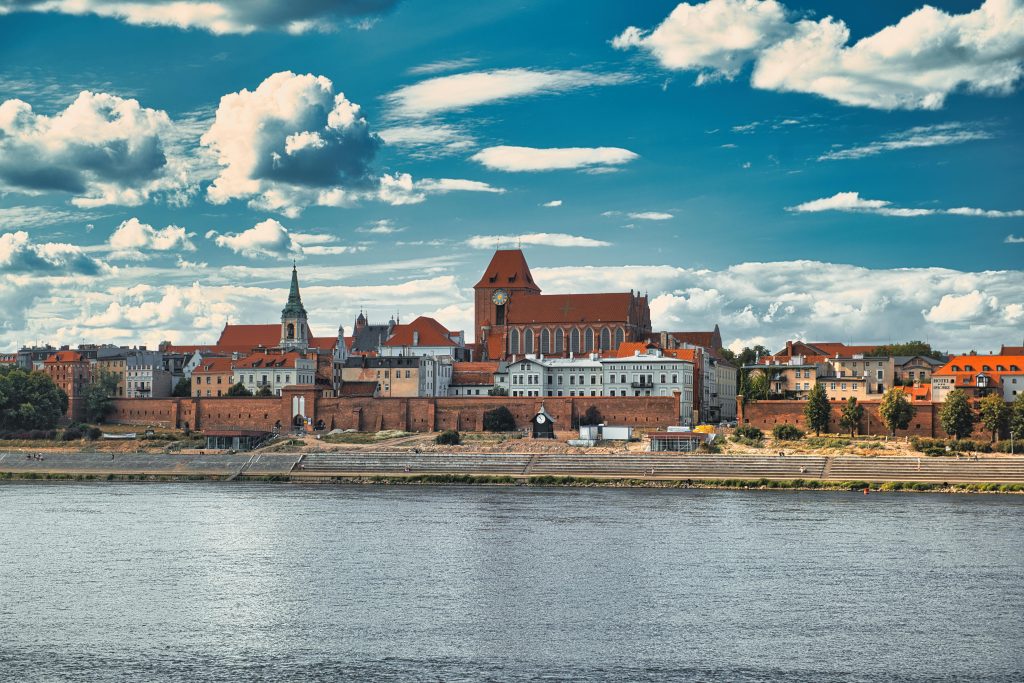
Toruń is a beautiful historic city on the Vistula River, offering a unique combination of academic life, cultural heritage, and access to nature. As a UNESCO World Heritage site, it provides an inspiring environment shaped by centuries of history and a lively student community.
The city hosts an active international research community, with Nicolaus Copernicus University serving as a hub for interdisciplinary collaboration in a friendly and supportive atmosphere.
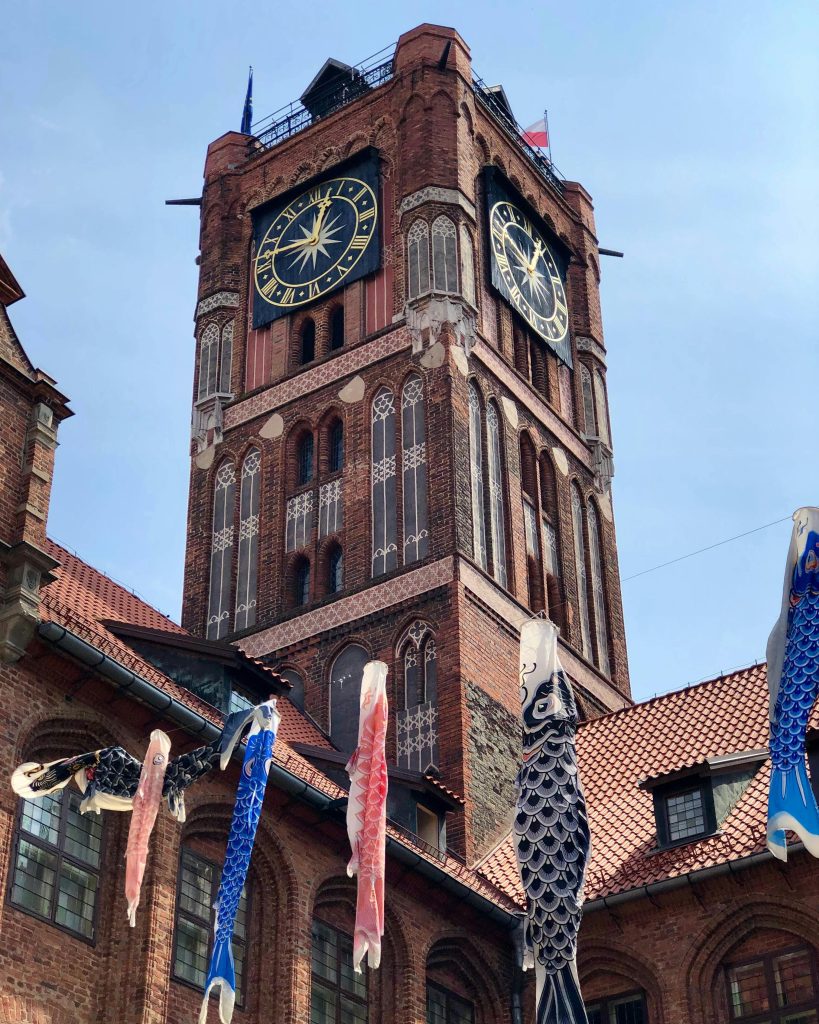

One of Toruń’s greatest strengths is its natural setting. The city is surrounded by forests and the wide Vistula valley, including rare riparian (floodplain) ecosystems. Nature is always close by—whether for a walk, fieldwork, or simply a moment of quiet—making Toruń a particularly attractive place to live and work.